

classes
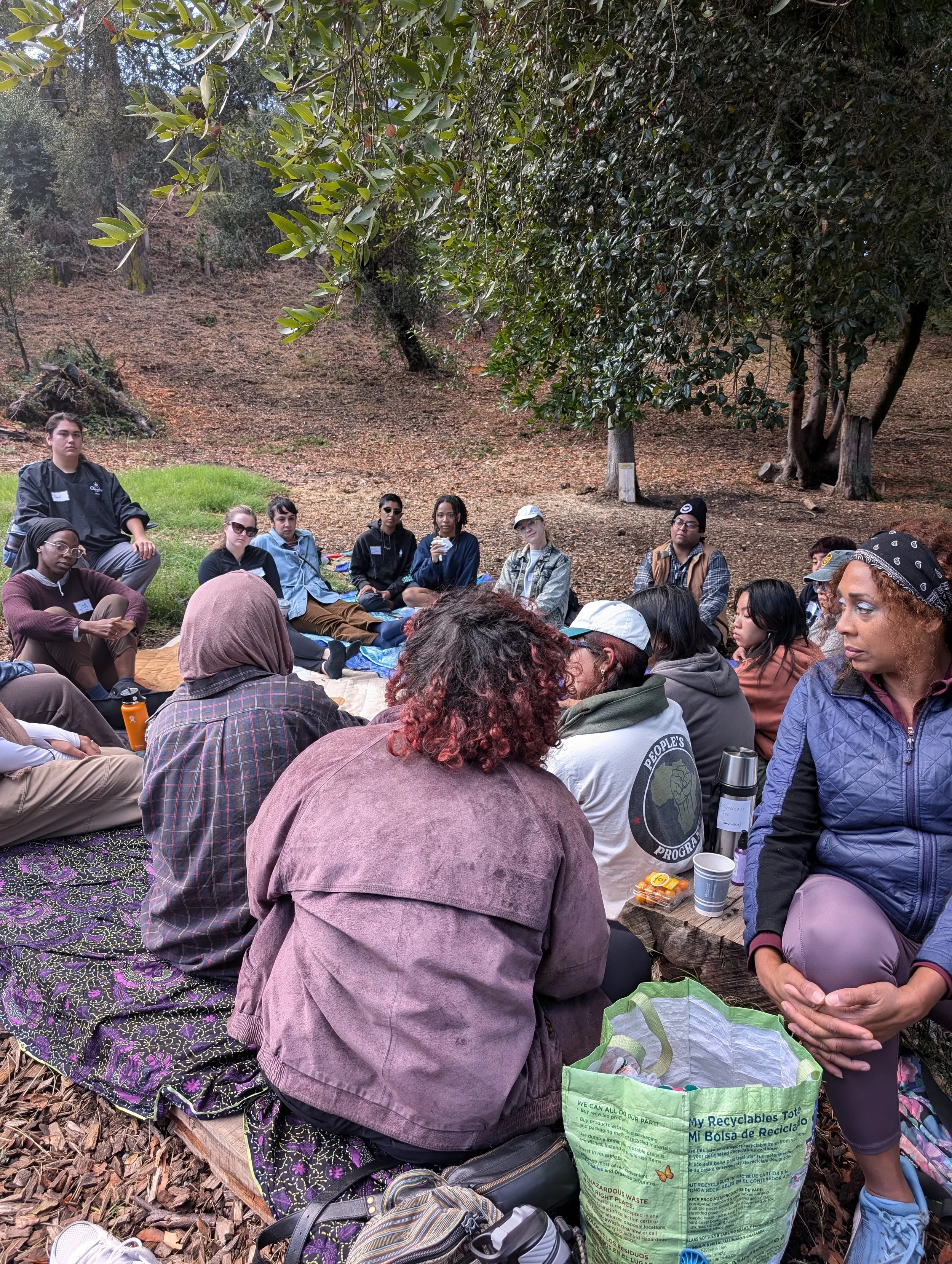
Community Organizing Foundations Training (COFT)
Demonstrate a deep understanding, shared language, and critical praxis of social issues with your comrades.
Objectives and deliverables:
Develop a shared understanding and practice of analyzing social issues through four key frameworks: critical positionality, intersectionality, decolonial approaches, and healing-centered community engagement
Co-create public-teach in workshops for your organization: connects your organization’s advocacy with the diverse activist movements of underrepresented groups through a local, regional, and global perspective
Plan and launch your own community engaged project which addresses a community need: develops social awareness and responsibility through a critical appreciation of activism and social change
We also provide Cultural Strategy & Consulting sessions for individuals and small teams (maximum of 3 people) who seek support in:
Capacity building on Racial Justice, Cultural Studies, & Educational Equity
Program leadership & strategy
Qualitative research & fieldwork
Collaborative Mentorship
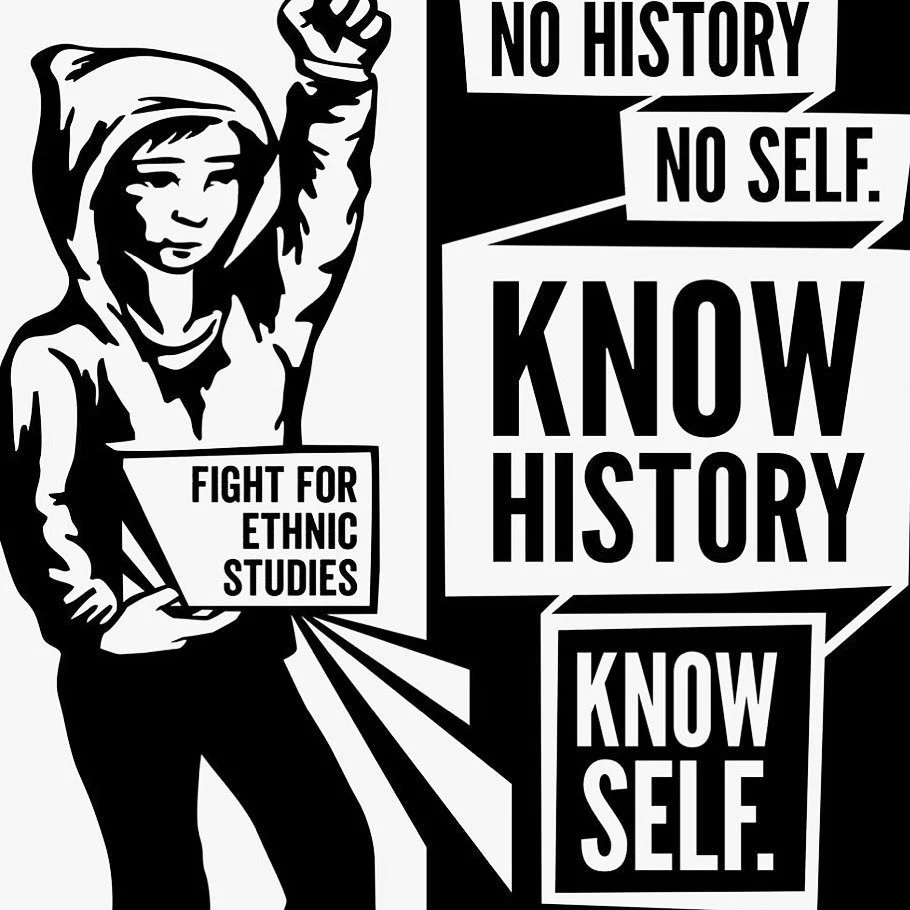
Liberatory Education through Ethnic Studies
A combination of Teacher Training and college readiness classes applying Liberatory and Critical Ethnic Studies Model Curriculum to form critical analysis of social and racial injustices.
Unit 1: Key frameworks
Critical Positionality and Intersectionality
Critical Race Studies and Transformative Justice
Decolonial and Indigenous Pedagogies, Epistemologies, and Ontologies
Community Engagement Praxis: community organizing frameworks, models, processes
Unit 2: Each One, Teach One workshops on legacies of Social and Racial power movements:
Third World Liberation Front
Black Power Movement
Red Power Movement
Chicano/a/x Power Movement
Yellow (Asian and Asian American) Power Movement
Pacific Islander Power Movement
LGBTQIA+ Power Movement
Unit 3: Apply what you learned in a community-engaged project
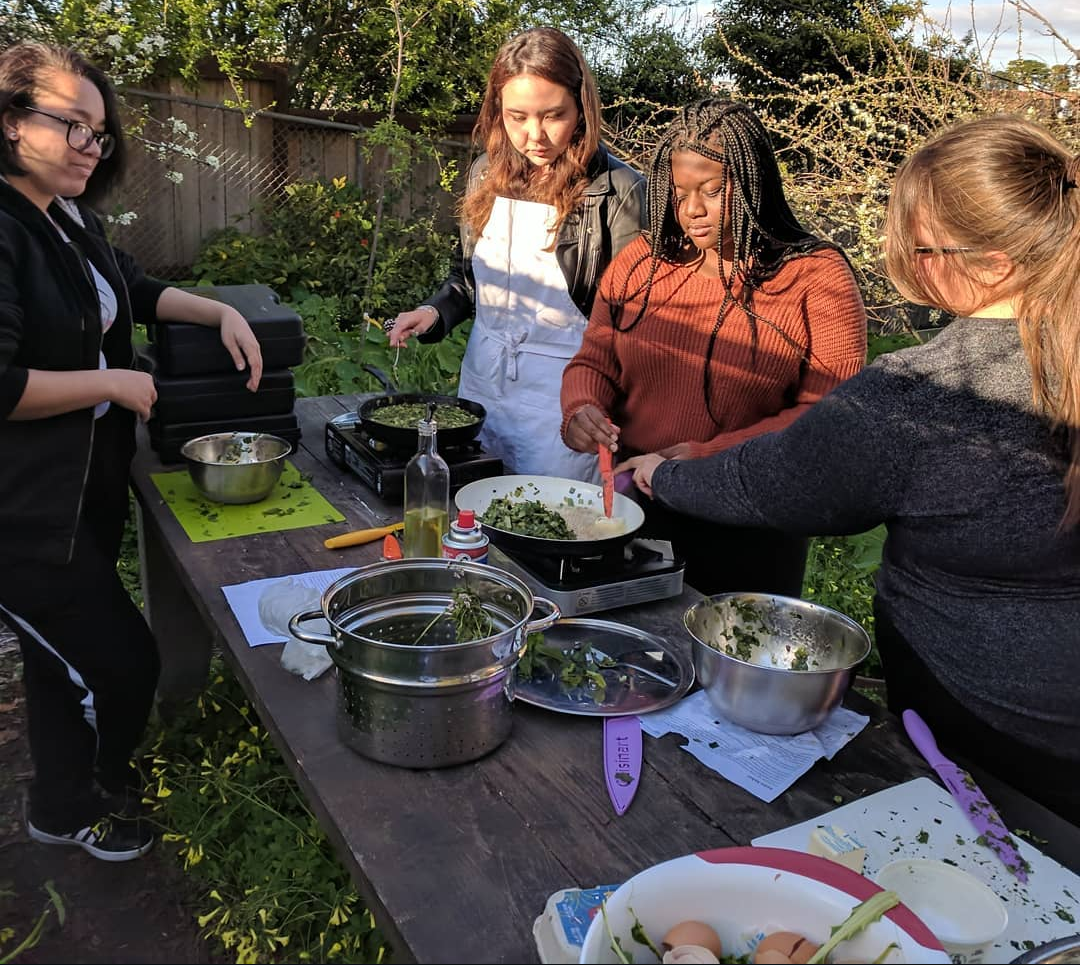
Food Majik Studies
Online and in-person classes which focus on the Conceptual, Technical, and Practical dimensions of cooking to deepen your relationship with food.
What you’ll learn:
Conceptual Food Majik: online class
Food and cooking throughout human history (how food and cooking shapes human cultures, and the role of food in contemporary social justice contexts)
Technical Food Majik: in person class
Budgeting, shopping, storage, health and safety, preparation, knife skills, using heat, flavor balance, etc. and growing your own food from seed (starting with herbs)
Practical Food Majik: in person class
Fieldwork in the Food World thruguided grocery tours and farmers markets, field trips to farms and community gardens, volunteering for community supported agriculture, food pop-ups, and other food justice organizations
Jobs in Food Majik: Online Zoom calls by appointment
Optional mentorship to obtain a food handlers certification (a requirement for employment in the food industry which are jobs most young people and immigrant populations have), or get an internship at a Food Majik community site (which we visited during the fieldwork)

workshops
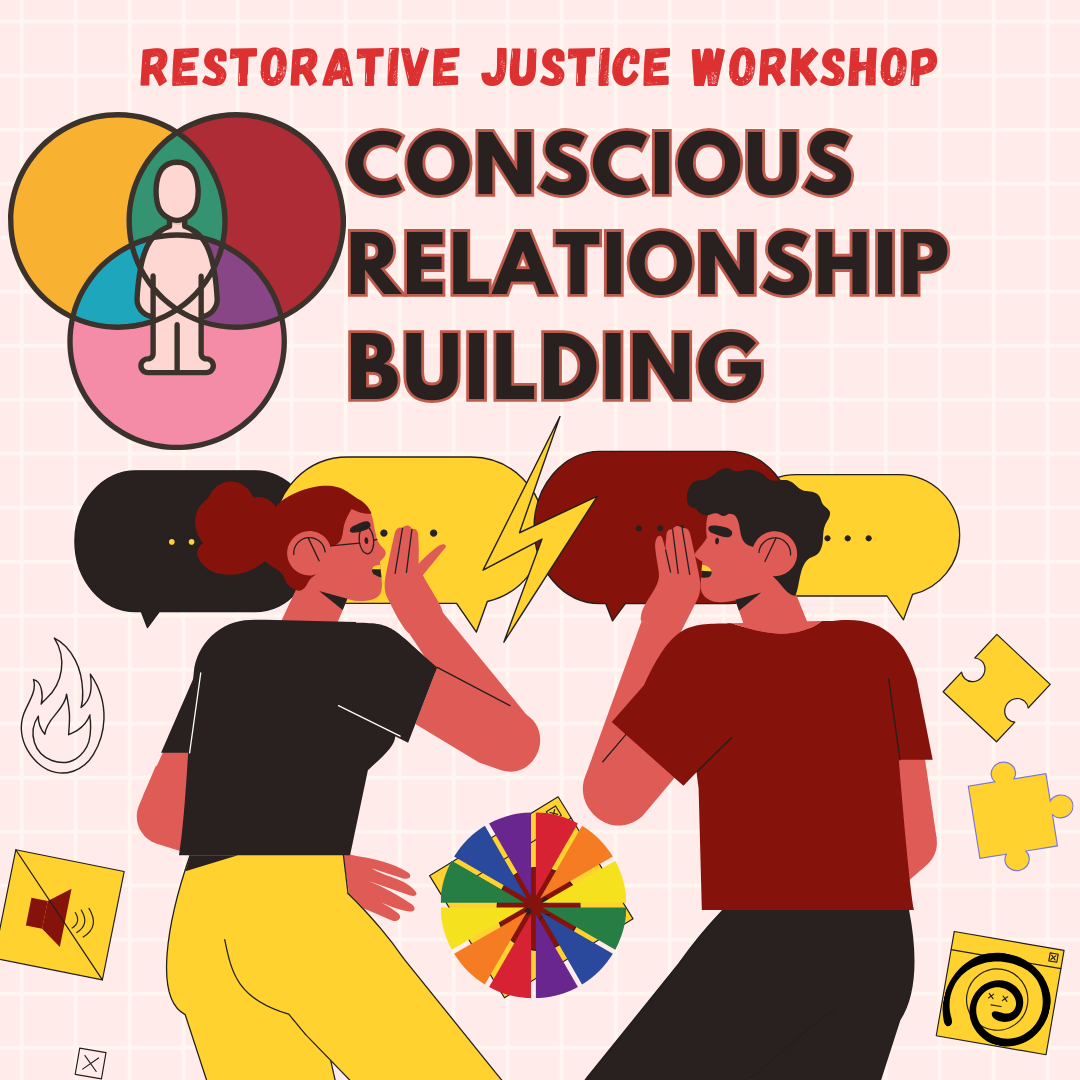
Restorative Justice Workshops
Restorative Justice (RJ) brings those harmed by crime or conflict and those responsible for the harm into communication, enabling everyone affected by a particular incident to play a part in repairing the harm and finding a positive way forward. (Restorative Justice Council)
Learning objectives & deliverables:
Develop a shared understanding and common foundational language of Restorative Justice practices through the concepts of Critical Positionality and Intersectionality and its applications in conscious relationship building.
Capacity building for communication styles, navigating conflict, and holding accountability (for self & others) through cultivating critical self-awareness, understanding power dynamics, developing relational awareness, and activating collective responsibility
Praxis of conscious relationship building into strategy through storytelling activities of giving testimony and bearing witness, while utilizing empathetic and generative listening skills (i.e. four levels of listening)
Customized worksheets, slide deck, and interactive activities as training materials
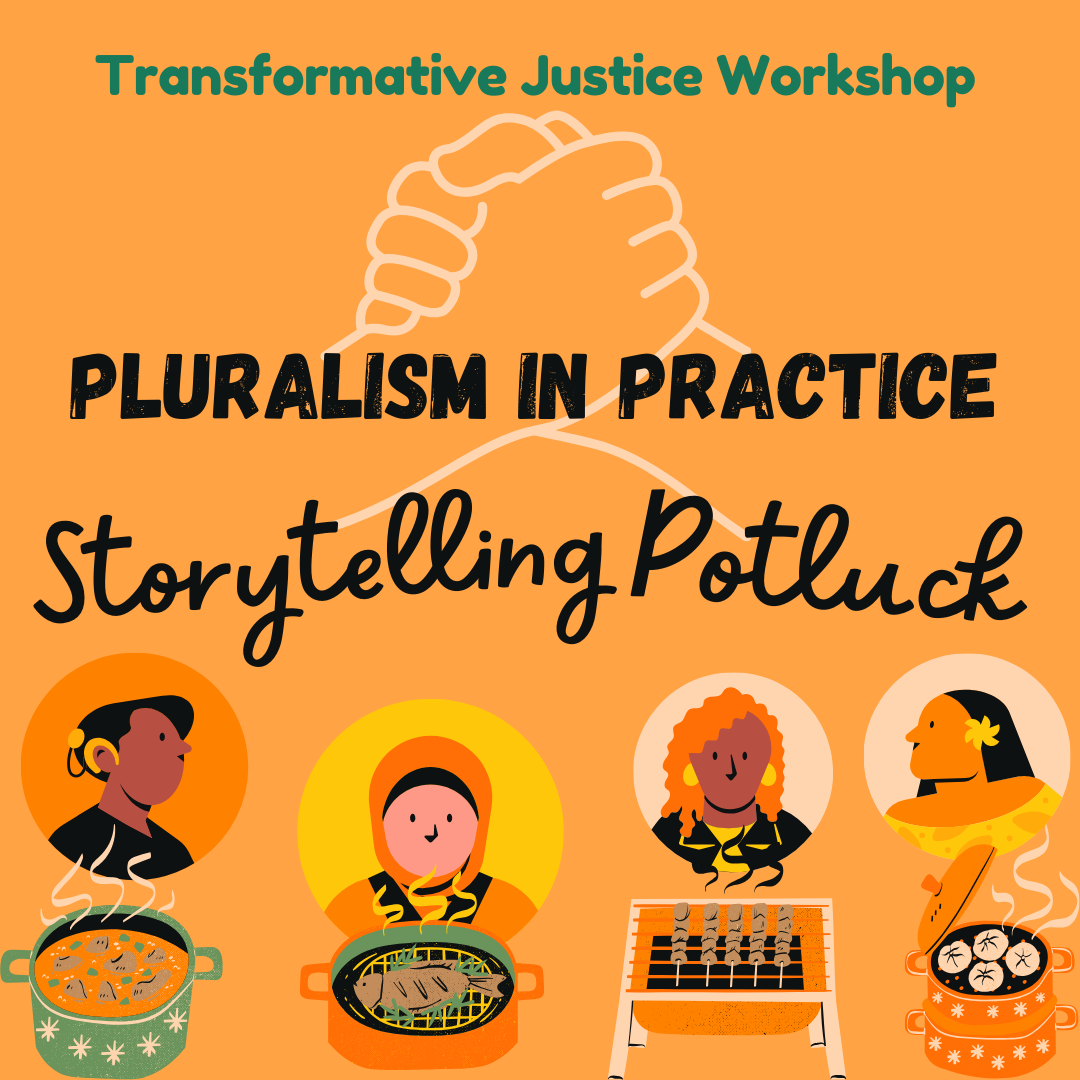
Transformative Justice Workshops
Transformative Justice (TJ) is a political framework and approach for responding to violence, harm and abuse that does not rely on carceral systems and actively cultivates safety through community practices. It seeks to respond to violence without creating more violence and/or engaging in harm reduction to lessen the violence. (Mia Mingus)
Learning objectives & deliverables:
Develop a shared understanding and common foundational language of Transformative Justice practices to develop relational awareness and collective responsibility from an institutional or systemic framework of power dynamics
Capacity building for navigating conflict, addressing needs, and accessing power through critical analyses of storytelling activities
Praxis of Pluralism into strategy by co-creating a Pluralism “tool/toy box” which draws from the lessons of participants’ stories and facilitators “tools/toys” such as communication styles and drivers of polarization
Customized worksheets, slide deck, and interactive activities as training materials
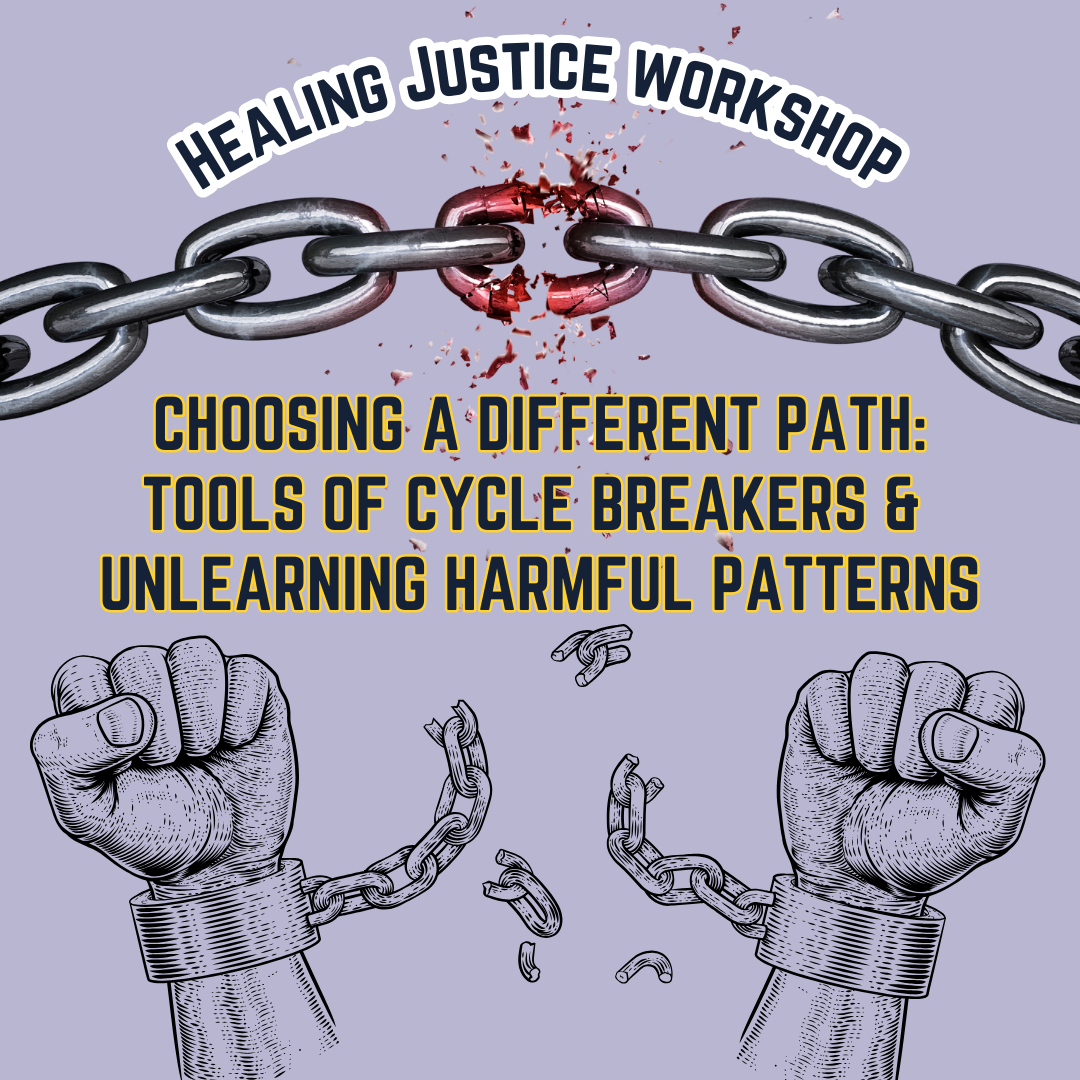
Healing justice workshops
Healing Justice (HJ) is a framework for movements that identifies how we can holistically respond to and intervene on intergenerational trauma and violence, and to bring community/survivor-led collective practices that can impact and transform the consequences of oppression on our collective bodies, hearts, and minds. (Kindred Southern Healing Justice Collective)
Learning objectives & deliverables:
Develop a shared understanding and common foundational language of Healing Justice principles and practices through the concepts of Intergenerational Trauma, Trauma-Informed Care (TIC), and key elements of Healing-Centered Engagement (HCE)
Capacity building for pivoting from TIC to HCE through identifying forms of Community Cultural Wealth and roles of a “cycle breaker”
Praxis of HCE into strategy through 4 pivots of HCE and tools of the “cycle breaker” while applying these strategies within the context of working with system-impacted TAY
Customized worksheets, slide deck, and interactive activities as training materials
customized training
〰️
customized training 〰️
Curriculum design
is the process of creating a structured and organized plan for learning that outlines educational goals, content, teaching strategies, and assessments. It serves as a blueprint for a course or program, ensuring that all the components work together logically to help students achieve specific learning outcomes. This process involves a strategic approach to deciding what students will learn, how they will learn it, and how their progress will be measured.
Looking for customized training on Curriculum Design & Engaged Pedagogy?
FILL OUT INTEREST FORM
Engaged pedagogy
as defined by bell hooks, is a teaching approach that fosters a holistic and interactive relationship between students and teachers, emphasizing mutual care and intellectual, spiritual, and emotional growth. It requires teachers to be committed to their own well-being and self-actualization to effectively empower students, viewing education as a "practice of freedom" that moves beyond rote learning (memorization technique based on repetition, often without understanding the underlying concepts) to a transformative, community-based process of mutual learning.
More info on classes and Training Programs
Integrating Ethnic Studies into your curriculum (teacher training and college prep)
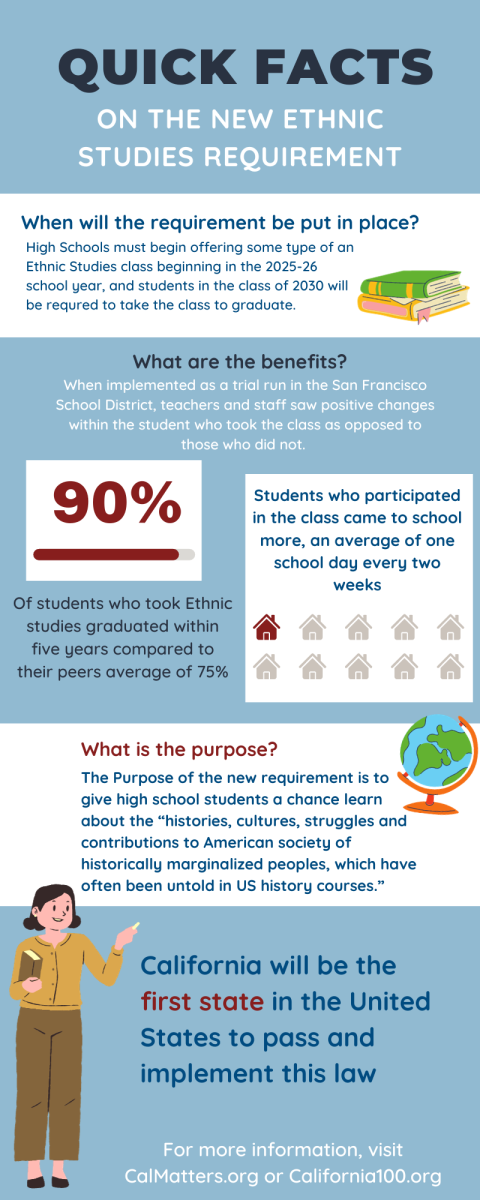
In California, Ethnic Studies is a graduation requirement in all California Community Colleges (Title 5c) and California State Universities (AB 1460). By the 2025-2026 school year, Ethnic Studies will be offered in California high schools as part of the graduation requirement to take effect in 2029-2030 school year (AB 101).
We offer teacher training to support current educators, aspiring educators, community organizers and leaders who want to offer Ethnic Studies classes in their schools and organizations
We combine teacher training with college prep to support Transitional Age Youth or TAY (ages 13-24) in our community classes to encourage students to also be teachers, and teachers to also be students