Why We Need This
Our current educational institutions are NOT a place where we are free.
Schools As Tools of Assimilation
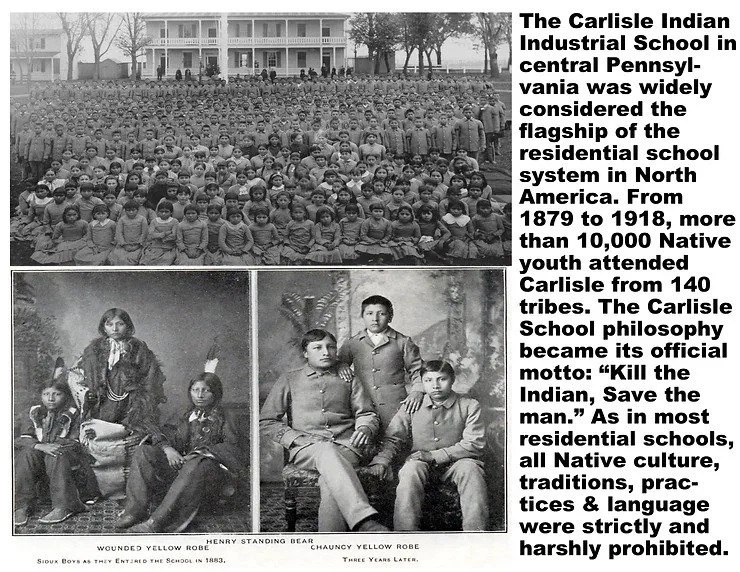
During colonization, Indian boarding schools, which operated from1869 to 1996, were built to eliminate traditional Native American ways of life and “replace them with mainstream American culture.”
Schools continue to be more concerned about implementing rigid metrics like attendance, grades & standardized tests to measure students’ performance. Schools are also made to abide by rigid metrics like approved curriculums, attendance, & graduation rates to get funding, to keep facilities working, and to keep teachers and staff employed.
Students get “pushed out” or “pulled out” when they fail to meet these metrics which is why many students opt for homeschooling to receive a GED because they believe it would be easier than attending school (Doll, Eslami, & Walters, 2013).
Our current school systems and education institutions conflate equality with uniformity (Emdin, 2021), and uniformity breeds forced assimilation.
3rd Spaces for
Liberatory Education
Schools should be an enjoyable safe space for learning where healthy relationships between teachers and students are nurtured in the classroom and teaching materials are current and culturally relevant.
“We Want Education for Our People That Exposes The True Nature Of This Decadent American Society. We Want Education That Teaches Us Our True History And Our Role in the Present-Day Society. We believe in an educational system that will give to our people a knowledge of self. If a man does not have knowledge of himself and his position in society and the world then he has little chance to relate to anything else.”
Black Panther Party for Self Defense : 10 point program #5
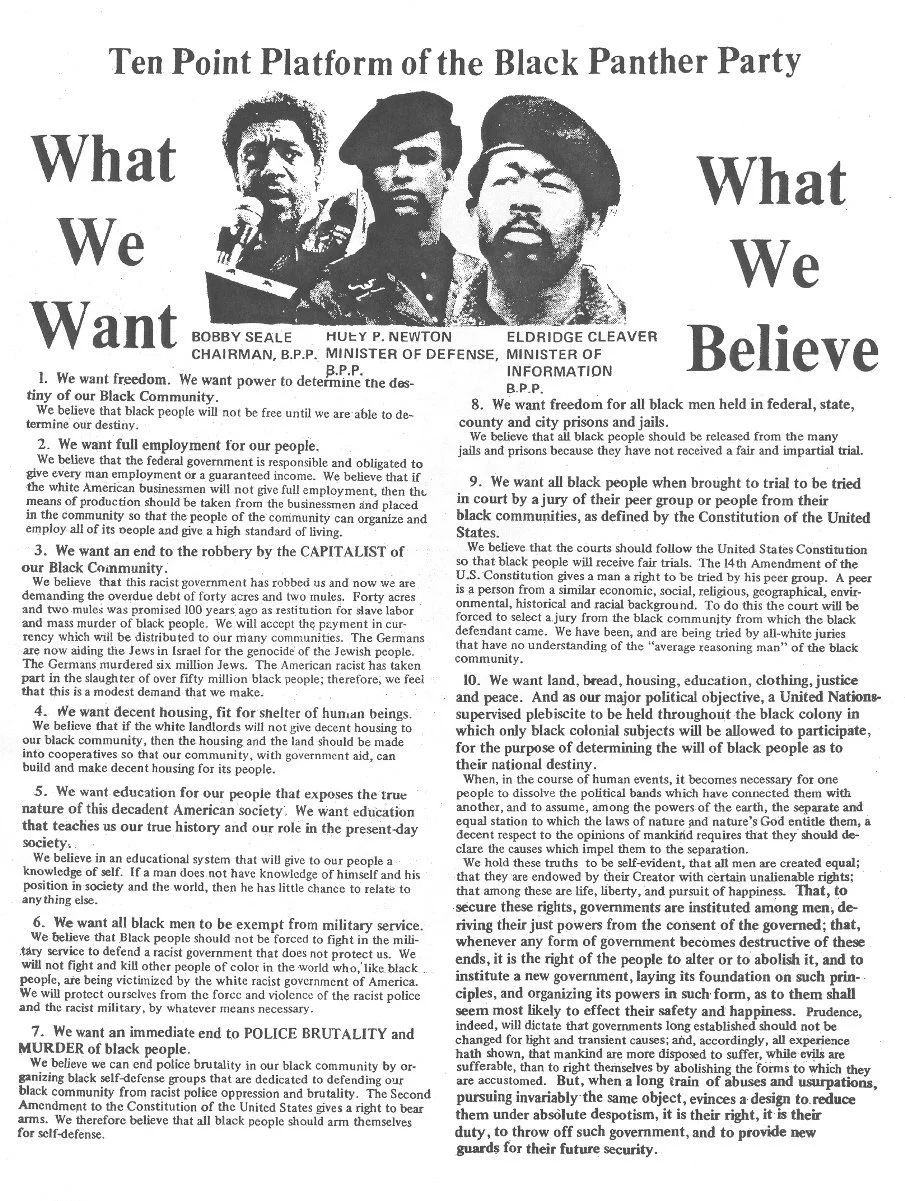
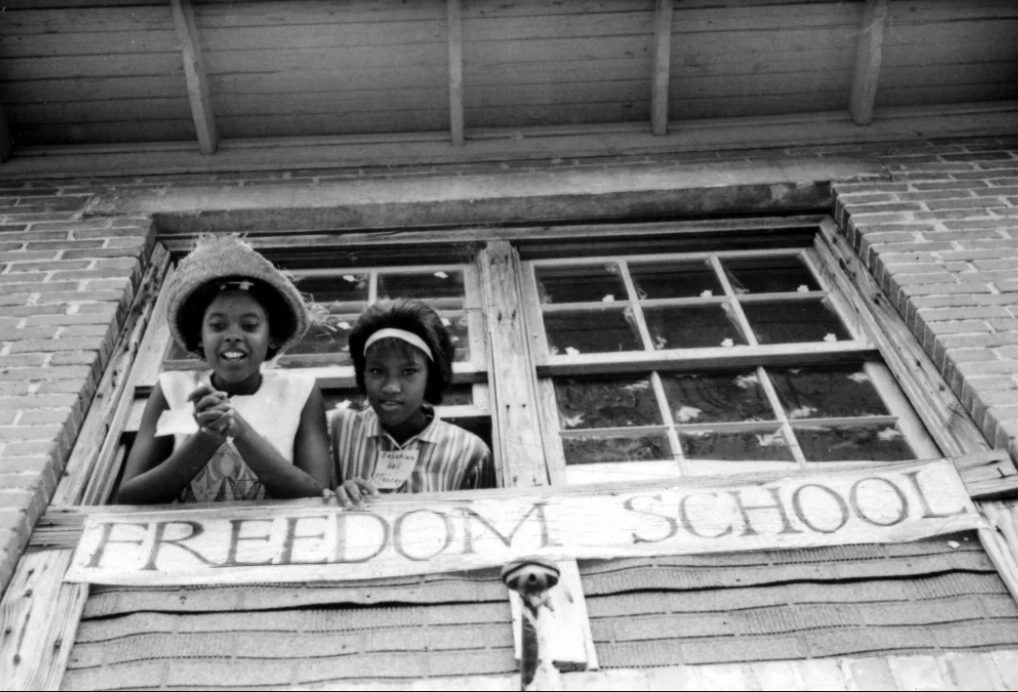
The vision for a Community School which focuses on Liberatory Cultural and Political Education is inspired by revolutionary community schools such as the Black Panther Party’s Intercommunal Youth Institute (IYI),Freedom Schools of the Student Nonviolent Coordinating Committee (SNCC), tribal colleges and universities like Sinte Gleska University on the Rosebud [Sicangu Lakota] Reservation, and Schools of Living Traditions (SLTs) run by various Indigenous communities in the Philippines - to name just a few.
These community schools were built by grassroots organizations and intergenerational leaders who wanted to serve the people in their community. These schools provide students a place in history, a role in society, education that is culturally-grounded, current, that asserts their right to liberation, self-determination, and sovereignty.
These schools were built with a “by us, for us” model to provide another option and resource for learning in their communities - a third space for learning.
“As a cultural and political educator in higher education for over 9 years, an immigrant/international graduate student for 14+ years, and a mentor to transitional age youth in my community for over 18 years, I have seen and personally experienced exactly how our current educational institutions are NOT a free and a place to learn. So many of us yearn for a space where we are safe and can be our full selves as we learn, simply because we love learning. And since we did not experience this in educational institutions, we decided to build a community school which would.”
- Maio Buenafe, Founder and Visionary for the Unlearning Community School
Who We Serve: Unlearn with Us
〰️
Who We Serve: Unlearn with Us 〰️
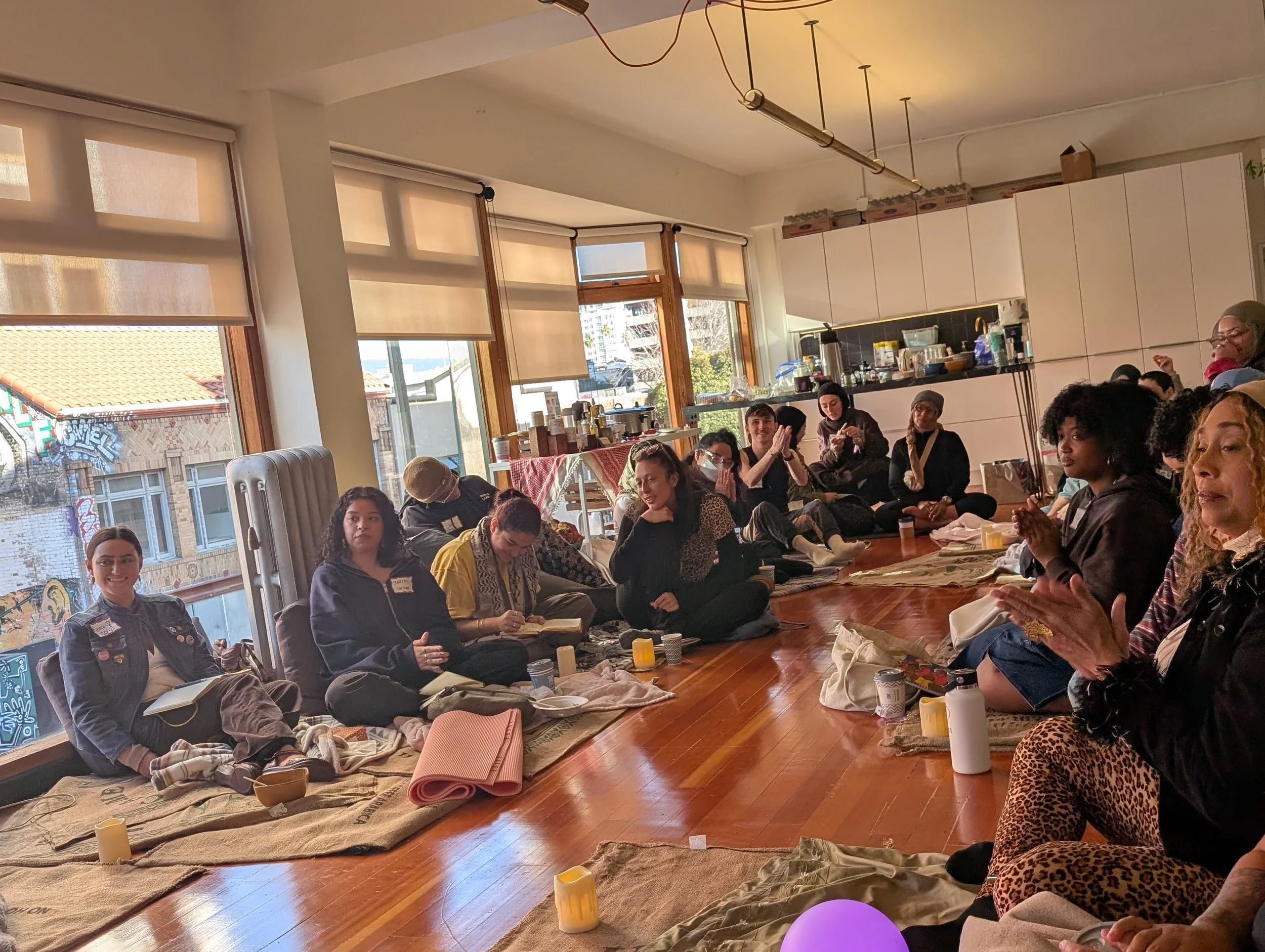
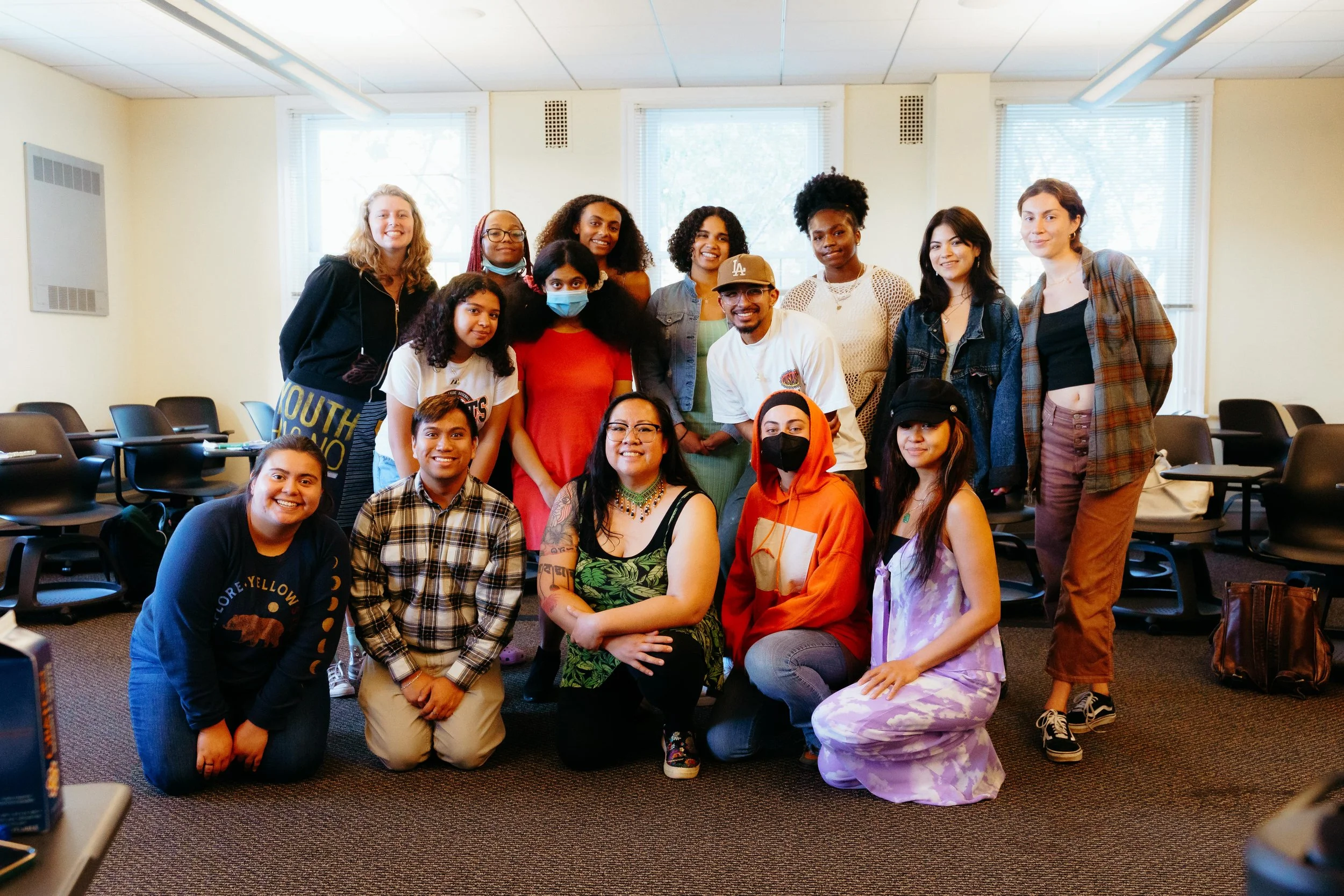
Image: Participants of “Majik for Revolutionary Transformation” workshop led by Maio Buenafe (green dress in middle of front row) with Community Empowerment Activists Class at the University of San Francisco (Spring 2022)
The Unlearning Community School serves all types of learners with a particular emphasis on serving transitional age youth or TAY (ages 13-24 years old), because it is often in this age range of transitioning into adulthood that high impact life challenges arise and extra support is needed, such as:
Leaving foster care or juvenile detention
Running away from home
Dropping out of school
Having disabilities
Substance abuse disorders
Homelessness or risk of homelessness
Experiencing their first episode of major mental illness
Many of the TAY community we work with face intersectional challenges of marginalization in educational institutions due to also being from immigrant, undocumented, or refugee communities, often the first generation in their family to pursue college, come from low income working class communities, have disabilities, and also identify as LGBTQIA+. Not only do we work with TAY, we also serve BIPOC frontline community service providers (educators, organizers, therapists, social workers, mentors, guardians, etc.) who work directly with TAY.